Used vs new tires
A used tire is not a worse tire. It is a different trade: less money now, less tread later, and a condition you have to verify instead of assume.
Last updated
The actual trade-off
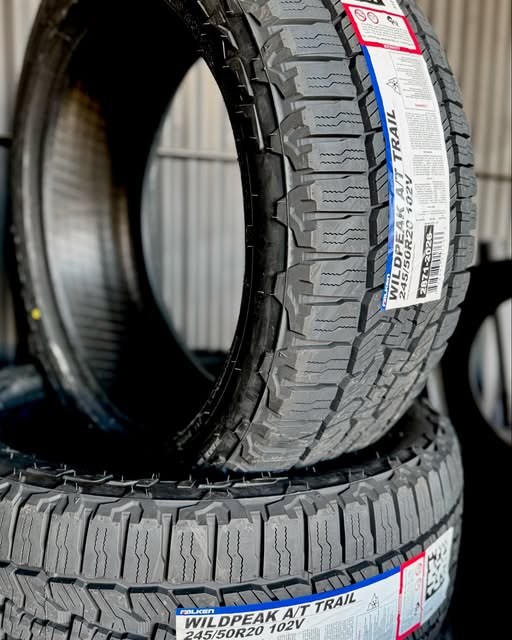
New tires give you full tread depth from day one, the widest choice of size, load index and speed rating, and whatever manufacturer warranty applies to that model. You pay more up front, and you pay it for tread you will use over years.
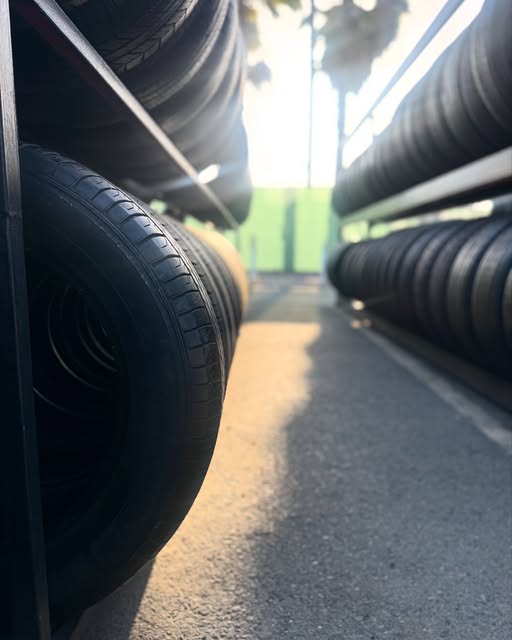
Used tires cost less for the same size, and they exist as single items — which is exactly what you need when one tire is damaged and the other three are half worn. What you give up is remaining life, and any assumption that all four will wear out together.
New tires suit you when
- You are replacing all four and keeping the vehicle a while
- You need a specific load index, speed rating or season type
- You want the longest interval before you think about tires again
Used tires suit you when
- You need one tire to match three that already have wear on them
- The vehicle is close to being sold or is a short-term car
- The size is expensive new and the budget is the binding constraint
How tread depth is measured
Tread depth is measured in 32nds of an inch with a depth gauge, pressed into the main grooves. A single reading is not enough: a tire can be at 8/32 on one side and 4/32 on the other, and that difference is itself information about alignment or inflation.
Most new passenger tires start somewhere around 10/32 to 11/32. NHTSA treats 2/32 as worn out, and US tires carry moulded wear bars that sit flush with the surrounding tread at that depth. Wet-weather grip falls off well before the legal limit, which is why many drivers replace earlier.
The penny test is a rough check, not a measurement: put a penny into the groove with Lincoln's head down, and if you can see the top of his head the groove is at or below about 2/32.
- 10-11/32Typical new passenger tire
- 6-8/32Plenty of usable life left
- 4-5/32Serviceable, but plan the replacement
- 2/32Worn out — wear bars flush
Age, and why the DOT code matters
Rubber ages whether the tire is driven or not. That is why the DOT Tire Identification Number matters as much as the tread: the last four digits are the week and year of manufacture, so DOT ...3421 was built in the 34th week of 2021.
Vehicle manufacturers publish their own guidance on tire age and it varies. There is no single universal expiry date, and we do not invent one. What we do is show you the code so the number is yours to weigh, and read it out loud if you ask.
DOTU2LLLMLR3421
- 34
- The 34th week of the year
- 21
- Built in 2021
What to ask before you buy a used tire
- 1What is the measured tread depth, at more than one point across the tread?
- 2What does the DOT code say the build date is?
- 3Has it been repaired — and where on the tire?
- 4Is the wear even across the width, or worse on one shoulder?
- 5Is there any damage to the sidewall, bead or shoulder?
- 6How many of this exact tire are there, and do they match each other?
Any shop that will not answer those six questions about a specific tire is not the shop for that tire.
Buying one, two or four
One tire is the single most common used-tire purchase, and there is nothing wrong with it — as long as it is close in size, type and remaining tread to the tire beside it on the same axle.
Two tires generally belong on the same axle as each other. Where they go on the vehicle depends on the tires already fitted, and on the vehicle. All-wheel-drive vehicles are the strict case: some manufacturers specify a maximum tread-depth difference across all four corners, and that specification lives in the owner's manual.
When a used tire is the wrong answer
There are situations where used is simply not the right buy: when you need a specific load index or speed rating that is not available used, when the vehicle is carrying heavy loads or towing, or when nothing in your size has enough tread left to be worth the labour of fitting it.
We would rather tell you that than sell you a tire you replace in four months.
How we list used tires
Every used tire we publish carries the numbers that let you judge it before you drive over: tread depth measured at several points, the DOT date code, the quantity, and whether it is a single, a matched pair or a set. Photos are of that specific tire.
Matching size is a starting point, not a fitment guarantee. Load index, speed rating and your vehicle's door placard all matter, so fitment is confirmed at the shop before anything is installed.
See Used TiresCondition is judged in person
Nothing on this page can tell you whether a particular tire is safe on your particular vehicle. If there is any question about age, damage, a previous repair, uneven wear or fitment, have the tire inspected by a qualified tire professional before it goes on the car.
Where these numbers come from
General tire information on this page comes from the sources below. It is not advice about your specific tire or vehicle.
Read next: How to read a tire size